The Garage Ceiling Problem: Why Bonus Rooms Run Hot in Surprise Homes
A layout that's everywhere in Surprise
Walk through Surprise Farms, Sierra Montana, or Marley Park and you'll see the same two-story floor plan repeated with variations: garage on the ground floor, a bonus room, media room, or guest bedroom directly above it. It's an efficient use of a lot's footprint, and builders use it constantly — but it also means a lot of Surprise households share the exact same comfort complaint about the exact same room.
The physics of an uninsulated garage ceiling
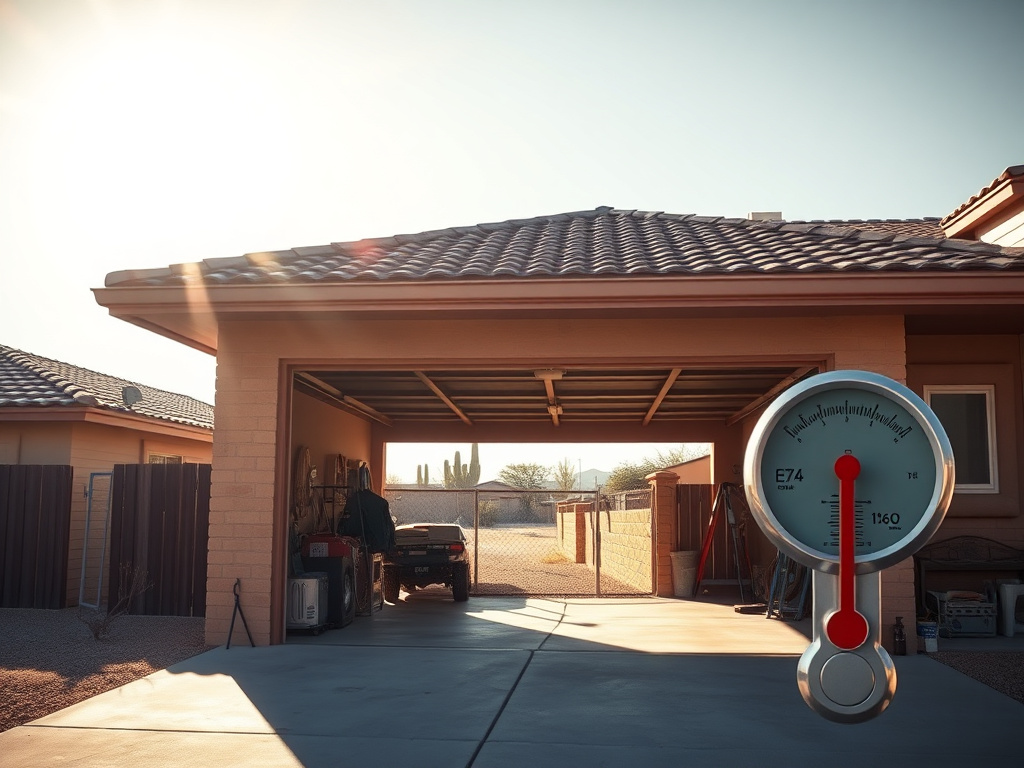
A garage isn't conditioned space. In summer, with direct sun on the roof and walls and a garage door that isn't a real thermal barrier, the air inside a Surprise garage regularly sits well above outdoor temperature by mid-afternoon. Heat moves from hot to cool, and the ceiling separating that superheated garage air from the floor of the room above it is often the thinnest, least-insulated assembly in the entire house — sometimes with no more than a layer of drywall and a few inches of batt insulation between them.
Why this isn't an AC problem
Homeowners often assume the fix is a bigger AC unit or a dedicated mini-split for the bonus room. That treats the symptom. The AC unit is working exactly as designed — it's just fighting a constant heat source coming through the floor that no amount of extra cooling capacity fully offsets. Closing the heat pathway at the ceiling does more for that room's comfort than adding cooling capacity ever will.
Signs the garage ceiling is the actual issue
- The room above the garage is noticeably warmer than other rooms on the same floor, even with the thermostat set the same.
- The floor of that room feels warm to the touch in the afternoon.
- The room cools down normally once the sun sets and the garage below has had time to lose heat.
- A handheld thermometer or infrared reading shows a real temperature gap between that floor and the rest of the house.
Why closed-cell foam is usually the right call here
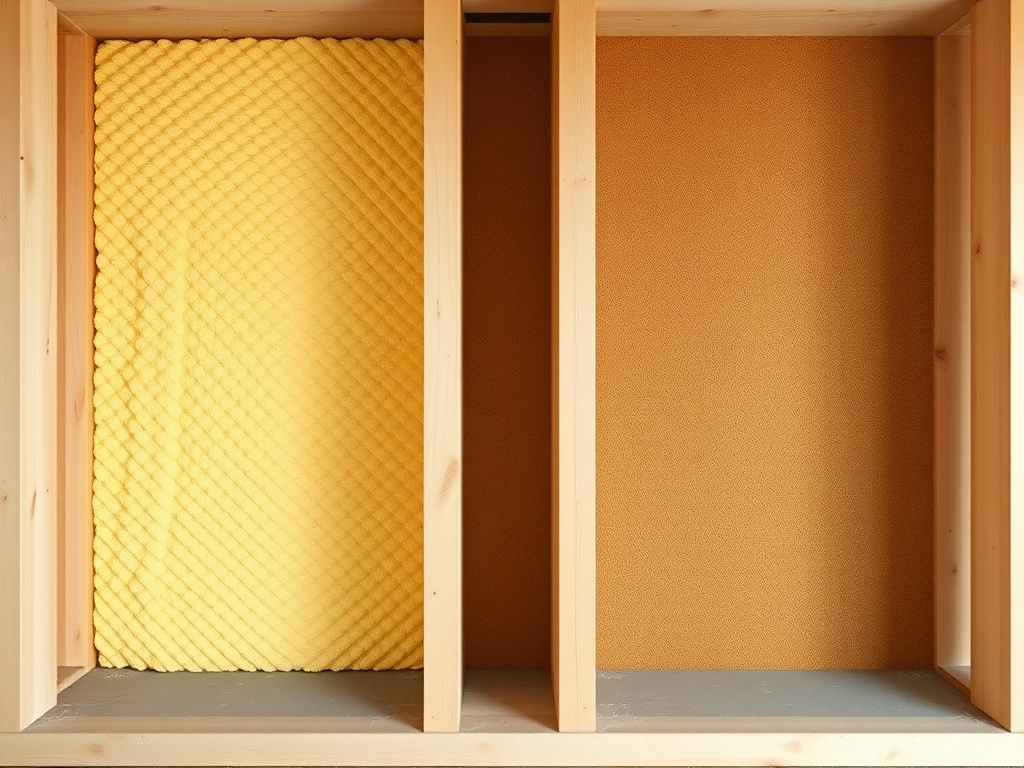
We typically recommend closed-cell spray foam for garage ceilings specifically. Garages see wider temperature swings, more dust, and occasional vehicle exhaust exposure compared to interior rooms — conditions where closed-cell's density and moisture resistance hold up better than open-cell over time. It costs more per board foot, but a garage ceiling is a small enough area that the total project stays contained.
What the project actually involves
Garage ceiling insulation is one of the more contained jobs we do — typically a half-day project on its own. If the garage also shares a wall with living space, we'll assess whether that wall is contributing to the problem too, since sealing the ceiling alone won't help a heat pathway coming through a side wall instead.
Frequently asked questions
Often it's insulated to code minimum, not insulated well. Code-minimum batt insulation laid into a garage ceiling cavity still leaves gaps around framing, wiring, and duct penetrations where heat can transfer. Spray foam closes those gaps in a way batt insulation isn't designed to, which is why even a home built in the last few years can still have a hot bonus room above the garage.
It's one of our most common standalone requests, and for good reason — it's a contained, lower-cost project with a direct, noticeable payoff in one specific room. There's no need to bundle it with a whole-home project unless you're already planning other work.
Ready for a free quote?
Tell us about your home and we'll build a clear, no-pressure quote.