How Much Does Spray Foam Insulation Cost in Surprise, AZ? (2026 Pricing Breakdown)

Surprise is still, in large part, a building city — a big share of the homes here went up in the last two decades, and new phases are still framing out in subdivisions like Sun Village and the newer sections of Marley Park and Asante. That matters for cost, because a spray foam quote for a house that's still open studs looks very different from a quote for a finished, occupied home. If you've gotten quotes that seem to vary more than they should, the reason is usually which one of those two situations you're actually in.
This breaks down what spray foam costs by area of the home, why a new-construction job is typically the cheapest way to insulate per square foot, and how open-cell and closed-cell pricing diverge. None of the numbers below are a quote for your specific house — they're the ranges we see across the industry, and the only way to get a firm number is a free on-site assessment.
Why new construction changes the math
In a house that's already built, spray foam installers have to work around finished drywall, existing insulation that may need to be pulled out first, and tighter access through attic hatches and wall penetrations. In a house that's still framed, none of that applies — the stud bays and roof deck are wide open, there's nothing to remove, and crews can move faster per square foot. That's the practical reason new-construction spray foam is typically the most cost-effective way to insulate a home: it's not a discount, it's less labor.
Typical cost per square foot
Across the spray foam industry, installed pricing typically runs $1 to $5 per square foot, averaging around $3. Open-cell foam sits toward the lower end of that band; denser closed-cell sits toward the higher end. Most installers also carry a minimum job charge, often in the $1,500-$2,000 range — worth knowing if you're pricing a small, single-area project like a garage ceiling.
Retrofit cost vs. new-construction cost
- Retrofit attic (existing insulation in place): higher cost — installers often need to remove or work around what's already there before spraying.
- New-construction attic or roof deck (open framing, no existing insulation): lower cost per square foot for the same coverage.
- Retrofit wall cavities: requires cutting into finished drywall, spraying, then patching — a meaningfully more involved (and pricier) process than sealed batt or blown-in alternatives.
- New-construction wall cavities: open stud bays mean spray foam goes in before drywall ever goes up, with no cut-and-patch labor at all.
Cost by area of the home
- Attic floor: usually the most economical way to cover the largest heat-gain surface in an existing home.
- Roof deck (conditioned attic): costs more than attic-floor coverage since it treats a larger surface area, but it protects any ductwork routed through the attic — common in Surprise's single-story, slab-on-grade production homes.
- Garage ceiling and shared walls: a smaller, contained project, and one of the highest-payoff ones for homes with a bonus room or bedroom above or beside the garage.
- Interior walls: priced per board foot; open-cell is typically the more budget-friendly pick here.
- Whole-home new construction: the lowest cost per square foot of any application, since access simply isn't a factor.
Open-cell vs. closed-cell pricing
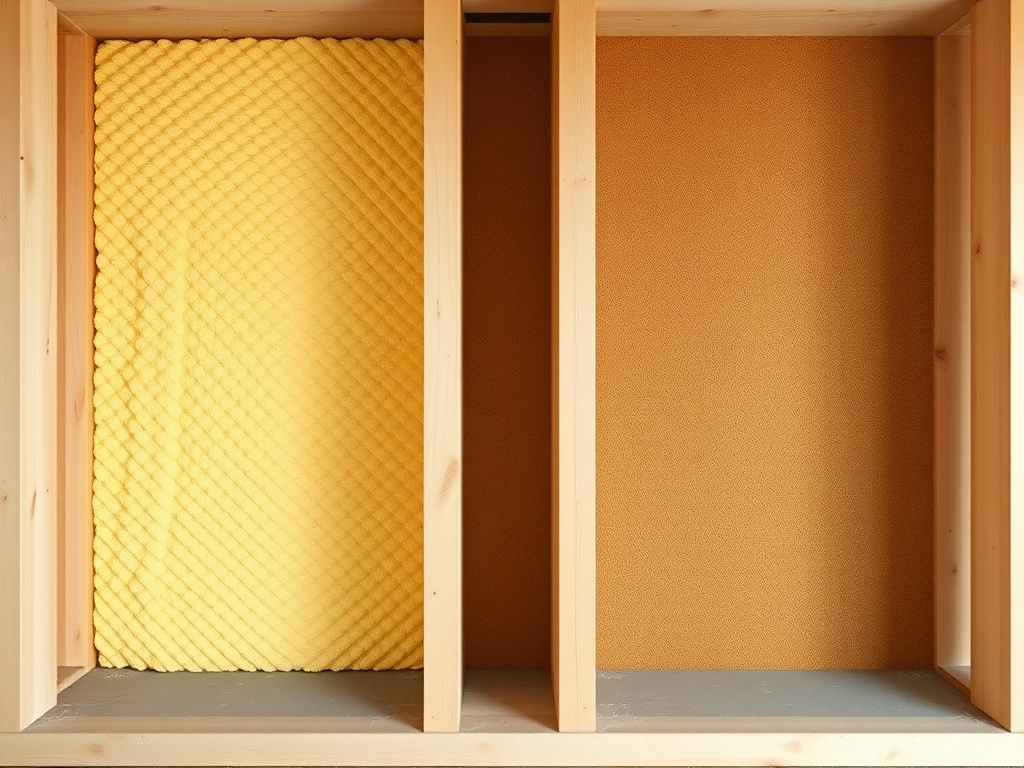
Closed-cell foam is a denser formulation that delivers roughly R-6 to R-7 per inch versus open-cell's R-3.5 to R-4, and it takes more skill to apply correctly — both of which show up in a higher price per board foot. That premium earns its keep on roof decks with limited depth, garages, and anywhere moisture resistance matters. For standard interior walls and attic floors, open-cell typically delivers comparable real-world performance for less money.
Frequently asked questions
Yes, generally. With the framing still open, crews spray directly into exposed stud bays and roof decking with no existing insulation to remove and no drywall to cut and patch afterward. That lower labor requirement is why new-construction spray foam typically costs less per square foot than the same coverage added to a finished home.
Financing availability depends on the contractor and the size of the job. It's worth asking about during your free on-site assessment, especially for a whole-home retrofit or a new-construction upgrade package where the total project cost is higher than a single-room job.
Ready for a free quote?
Tell us about your home and we'll build a clear, no-pressure quote.