Should You Specify Spray Foam Insulation When Building a New Home in Surprise?
Roughly three-quarters of the homes in Surprise were built after 2000, and the city isn't done growing — subdivisions like Sun Village and newer phases of Marley Park and Asante are still actively building out. That puts a lot of Surprise homeowners in a position most insulation contractors rarely get to talk to: the decision about spray foam hasn't happened yet, because the house hasn't been drywalled yet.
Why the framing stage is the decision point
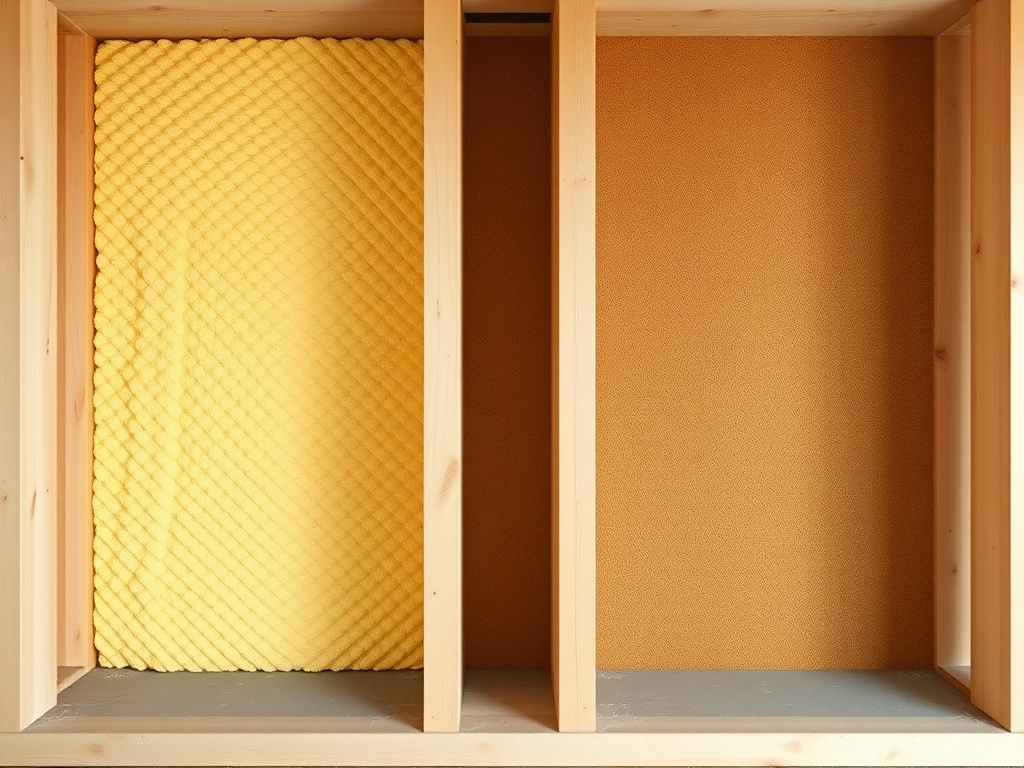
Spray foam has to go in before insulation inspection and drywall, full stop. Once walls are closed up, adding spray foam to a stud cavity stops being a new-construction question and becomes a retrofit project — cutting into finished drywall, patching, repainting. If you're building a custom home, working with a builder on a semi-custom package, or watching a spec home go up in an active Surprise subdivision, the framing stage is the only point where spray foam is a simple substitution rather than a teardown.
What most production homes get by default
Most production homebuilders across the Phoenix metro — including in Surprise's active subdivisions — build to code-minimum insulation using batt or blown fiberglass unless spray foam is specifically requested as an upgrade. Code minimum for attic insulation in Surprise's IECC Climate Zone 2B is R-30, with DOE and ENERGY STAR guidance suggesting R-38 to R-49 for a 'better than minimum' target. Spray foam isn't required to hit that number, but it's a different way of hitting it — one that air-seals the assembly rather than just filling the cavity.
Where spray foam adds the most value in a new build
- Roof deck / conditioned attic — spraying the underside of the roof deck instead of the attic floor keeps any ductwork run through the attic out of extreme heat, relevant given how much duct routing happens through attics in Surprise's slab-on-grade single-story homes.
- Exterior wall cavities — sprayed while studs are exposed, sealing gaps around wiring, plumbing, and framing that batt insulation, laid into the cavity by hand, typically can't fully close.
- Garage ceiling under a bonus room — common in the two-story layouts found throughout Surprise Farms and Sierra Montana, where a media room or guest room sits directly above the garage.
Questions worth asking your builder
- Can spray foam be substituted for the standard batt or blown-in package, and what's the upgrade cost?
- Is the roof-deck approach available, or only attic-floor coverage?
- When does the insulation inspection happen, and is there still time to change the spec before then?
- For a semi-custom build, can a third-party spray foam contractor coordinate directly with the framing schedule?
If you're buying an already-built spec or inventory home
Plenty of new-construction buyers in Surprise are purchasing a spec home that's already framed, insulated, and drywalled by the time they see it. At that point, spray foam is no longer a build-spec decision — it's the same retrofit project it would be in a resale home, just in a newer house. That's still a legitimate option (a garage ceiling or attic upgrade after move-in is common), it just doesn't carry the framing-stage cost advantage described above.
Frequently asked questions
It's typically an upgrade, not the default. Most production builders in the Phoenix metro, Surprise included, insulate to code minimum with batt or blown fiberglass unless a buyer or custom builder specifically requests spray foam. If you want it, the request needs to happen before the insulation inspection and drywall go in.
After framing is complete and before the insulation inspection and drywall — that's the window when stud bays and the roof deck are fully exposed. Once drywall closes the walls up, adding spray foam turns into a retrofit project that requires cutting and patching, which costs more and is more disruptive.
Ready for a free quote?
Tell us about your home and we'll build a clear, no-pressure quote.